-
 info
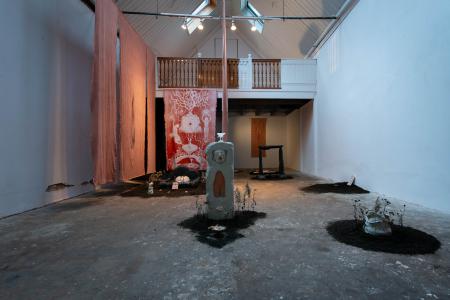
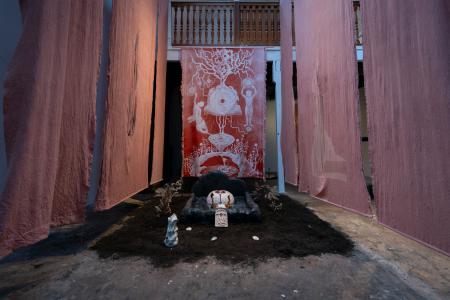
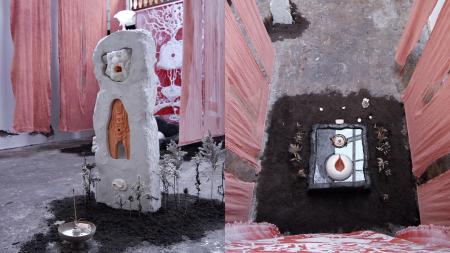
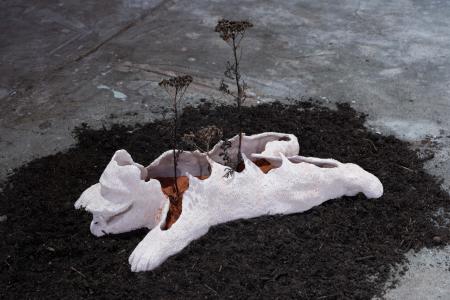
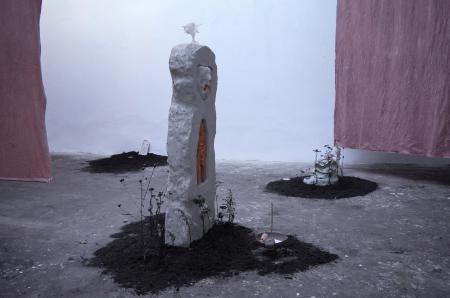
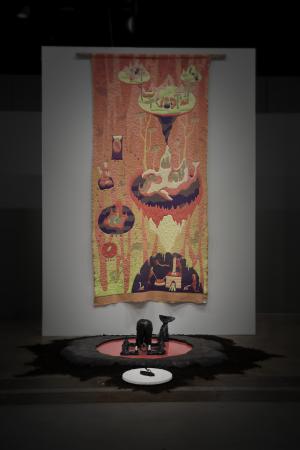
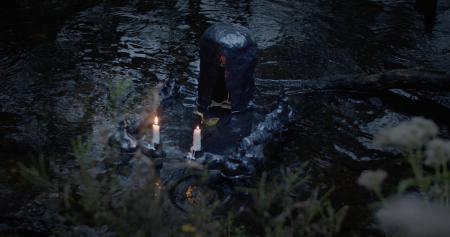
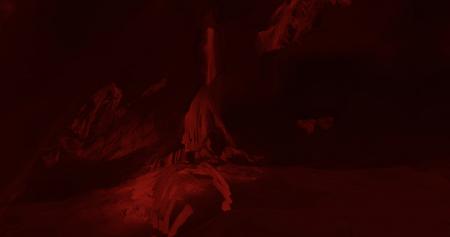
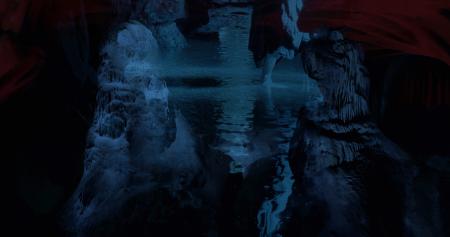
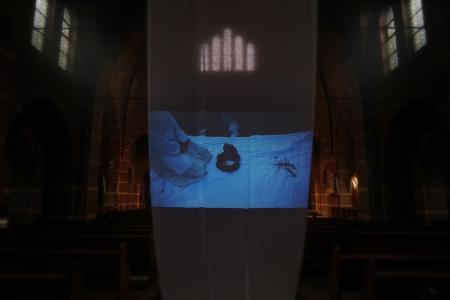
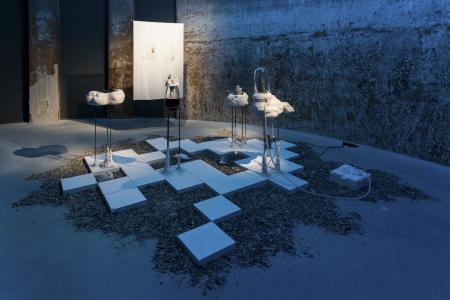
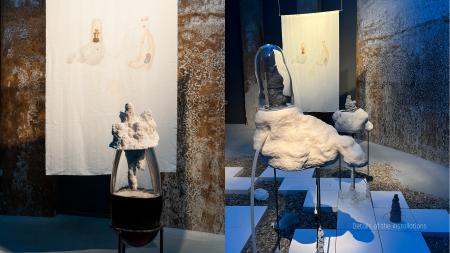
info"Hortus of Heterodox Phantasmata” stem from long-term artistic research on the seventeenth-century Dutch heritage“doolhof” . Its presentation at De Garnalenkerk responds to the site’s eighteenth-century history as a secret Catholic church: in an era dominated by strict Calvinism and iconoclasm, semi-hidden spaces such as the doolhof and the Garnalenkerk became places where dissenters and “heterodox” imaginaries could gather and exchange. Structured inspired from the three-part ritual itinerary of the Oude Doolhof, the work invites visitors to experience the theme of life-transmutation as a dynamic passage. From a cross-cultural perspective, the project seeks to integrate and reconstruct forgotten conceptions of life and cosmology. Drawing on the layered history in which devotion and labor intersected at the De Garnalenkerk, it further reflects on how religious and cultural oppression have shaped society and ecology over the longue durée, opening a cross-cultural pathway for thinking identity in motion, the interweaving of multiple cultural lineages, and the regeneration of nonhuman life
-
 info
info"Hortus of Heterodox Phantasmata” stem from long-term artistic research on the seventeenth-century Dutch heritage“doolhof” . Its presentation at De Garnalenkerk responds to the site’s eighteenth-century history as a secret Catholic church: in an era dominated by strict Calvinism and iconoclasm, semi-hidden spaces such as the doolhof and the Garnalenkerk became places where dissenters and “heterodox” imaginaries could gather and exchange. Structured inspired from the three-part ritual itinerary of the Oude Doolhof, the work invites visitors to experience the theme of life-transmutation as a dynamic passage. From a cross-cultural perspective, the project seeks to integrate and reconstruct forgotten conceptions of life and cosmology. Drawing on the layered history in which devotion and labor intersected at the De Garnalenkerk, it further reflects on how religious and cultural oppression have shaped society and ecology over the longue durée, opening a cross-cultural pathway for thinking identity in motion, the interweaving of multiple cultural lineages, and the regeneration of nonhuman life
-
 info
info"Hortus of Heterodox Phantasmata” stem from long-term artistic research on the seventeenth-century Dutch heritage“doolhof” . Its presentation at De Garnalenkerk responds to the site’s eighteenth-century history as a secret Catholic church: in an era dominated by strict Calvinism and iconoclasm, semi-hidden spaces such as the doolhof and the Garnalenkerk became places where dissenters and “heterodox” imaginaries could gather and exchange. Structured inspired from the three-part ritual itinerary of the Oude Doolhof, the work invites visitors to experience the theme of life-transmutation as a dynamic passage. From a cross-cultural perspective, the project seeks to integrate and reconstruct forgotten conceptions of life and cosmology. Drawing on the layered history in which devotion and labor intersected at the De Garnalenkerk, it further reflects on how religious and cultural oppression have shaped society and ecology over the longue durée, opening a cross-cultural pathway for thinking identity in motion, the interweaving of multiple cultural lineages, and the regeneration of nonhuman life
-
 info
info"Hortus of Heterodox Phantasmata” stem from long-term artistic research on the seventeenth-century Dutch heritage“doolhof” . Its presentation at De Garnalenkerk responds to the site’s eighteenth-century history as a secret Catholic church: in an era dominated by strict Calvinism and iconoclasm, semi-hidden spaces such as the doolhof and the Garnalenkerk became places where dissenters and “heterodox” imaginaries could gather and exchange. Structured inspired from the three-part ritual itinerary of the Oude Doolhof, the work invites visitors to experience the theme of life-transmutation as a dynamic passage. From a cross-cultural perspective, the project seeks to integrate and reconstruct forgotten conceptions of life and cosmology. Drawing on the layered history in which devotion and labor intersected at the De Garnalenkerk, it further reflects on how religious and cultural oppression have shaped society and ecology over the longue durée, opening a cross-cultural pathway for thinking identity in motion, the interweaving of multiple cultural lineages, and the regeneration of nonhuman life
-
 info
info"Hortus of Heterodox Phantasmata” stem from long-term artistic research on the seventeenth-century Dutch heritage“doolhof” . Its presentation at De Garnalenkerk responds to the site’s eighteenth-century history as a secret Catholic church: in an era dominated by strict Calvinism and iconoclasm, semi-hidden spaces such as the doolhof and the Garnalenkerk became places where dissenters and “heterodox” imaginaries could gather and exchange. Structured inspired from the three-part ritual itinerary of the Oude Doolhof, the work invites visitors to experience the theme of life-transmutation as a dynamic passage. From a cross-cultural perspective, the project seeks to integrate and reconstruct forgotten conceptions of life and cosmology. Drawing on the layered history in which devotion and labor intersected at the De Garnalenkerk, it further reflects on how religious and cultural oppression have shaped society and ecology over the longue durée, opening a cross-cultural pathway for thinking identity in motion, the interweaving of multiple cultural lineages, and the regeneration of nonhuman life
-
 info
info"Hortus of Heterodox Phantasmata” stem from long-term artistic research on the seventeenth-century Dutch heritage“doolhof” . Its presentation at De Garnalenkerk responds to the site’s eighteenth-century history as a secret Catholic church: in an era dominated by strict Calvinism and iconoclasm, semi-hidden spaces such as the doolhof and the Garnalenkerk became places where dissenters and “heterodox” imaginaries could gather and exchange. Structured inspired from the three-part ritual itinerary of the Oude Doolhof, the work invites visitors to experience the theme of life-transmutation as a dynamic passage. From a cross-cultural perspective, the project seeks to integrate and reconstruct forgotten conceptions of life and cosmology. Drawing on the layered history in which devotion and labor intersected at the De Garnalenkerk, it further reflects on how religious and cultural oppression have shaped society and ecology over the longue durée, opening a cross-cultural pathway for thinking identity in motion, the interweaving of multiple cultural lineages, and the regeneration of nonhuman life
-
 info
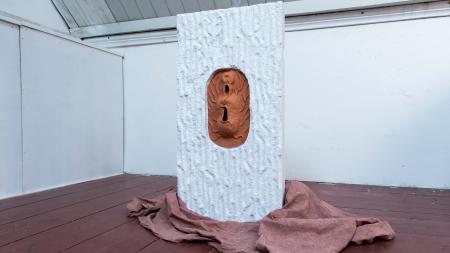
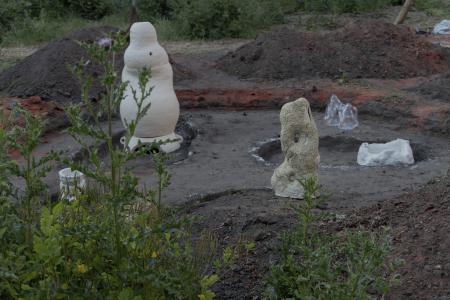
info<Vita Nova Doolhoven> stems from an in-depth study of doolhoven, a unique cultural heritage site from the 17th-century Dutch Republic. Combining archival and in-situ research, Vita Nova Doolhoven seeks to explore and revive the spatial structure and sociohistorical context of doolhoven, thereby uncovering its forgotten cosmologies and social functions. By integrating diverse cultural perspectives on life and nature, Vita Nova Doolhoven aims to reconstruct a ritualistic space that shares diverse cosmologies. The project not only studies historical issues such as religious oppression, urban expansion, and immigration policies in 17th-century Amsterdam, but also explores a series of social and ecological issues caused by the dualism of nature and culture. This project commits to reimagining life transmutation and queer futurity through artistic practice, responding to current challenges related to cultural identity, immigration, and ecological issues while fostering transcultural understanding and community engagement.
-
 info
info<Vita Nova Doolhoven> stems from an in-depth study of doolhoven, a unique cultural heritage site from the 17th-century Dutch Republic. Combining archival and in-situ research, Vita Nova Doolhoven seeks to explore and revive the spatial structure and sociohistorical context of doolhoven, thereby uncovering its forgotten cosmologies and social functions. By integrating diverse cultural perspectives on life and nature, Vita Nova Doolhoven aims to reconstruct a ritualistic space that shares diverse cosmologies. The project not only studies historical issues such as religious oppression, urban expansion, and immigration policies in 17th-century Amsterdam, but also explores a series of social and ecological issues caused by the dualism of nature and culture. This project commits to reimagining life transmutation and queer futurity through artistic practice, responding to current challenges related to cultural identity, immigration, and ecological issues while fostering transcultural understanding and community engagement.
-
 info
info<Vita Nova Doolhoven> stems from an in-depth study of doolhoven, a unique cultural heritage site from the 17th-century Dutch Republic. Combining archival and in-situ research, Vita Nova Doolhoven seeks to explore and revive the spatial structure and sociohistorical context of doolhoven, thereby uncovering its forgotten cosmologies and social functions. By integrating diverse cultural perspectives on life and nature, Vita Nova Doolhoven aims to reconstruct a ritualistic space that shares diverse cosmologies. The project not only studies historical issues such as religious oppression, urban expansion, and immigration policies in 17th-century Amsterdam, but also explores a series of social and ecological issues caused by the dualism of nature and culture. This project commits to reimagining life transmutation and queer futurity through artistic practice, responding to current challenges related to cultural identity, immigration, and ecological issues while fostering transcultural understanding and community engagement.
-
info
-
 info
info<Blubber Town> is an ongoing project, that delves into the history of Dutch whaling between the 17th and 20th centuries. It traces the centuries-long natural colonization of the Arctic region by Dutch whalers. But long before whaling grew into a bloody commercial industry by colonial powers, whales were seen as magical creatures. Worldwide, countless legends and folk tales exist, in which magic powers were attributed to the bones and whale oil. These pluralistic knowledge systems have been increasingly marginalized amidst the global expansion of colonialism. By intertwining the documented history of whaling with marginalized knowledge systems related to whales, this project seeks to reimagine the narrative of Blubber Town from the perspectives of decolonizing nature and envisioning ecological futures. It aims to construct speculative scenarios of symbiosis between marine life and posthuman worlds.
-
 info
info<Blubber Town> is an ongoing project, that delves into the history of Dutch whaling between the 17th and 20th centuries. It traces the centuries-long natural colonization of the Arctic region by Dutch whalers. But long before whaling grew into a bloody commercial industry by colonial powers, whales were seen as magical creatures. Worldwide, countless legends and folk tales exist, in which magic powers were attributed to the bones and whale oil. These pluralistic knowledge systems have been increasingly marginalized amidst the global expansion of colonialism. By intertwining the documented history of whaling with marginalized knowledge systems related to whales, this project seeks to reimagine the narrative of Blubber Town from the perspectives of decolonizing nature and envisioning ecological futures. It aims to construct speculative scenarios of symbiosis between marine life and posthuman worlds.
-
 info
info<Blubber Town> is an ongoing project, that delves into the history of Dutch whaling between the 17th and 20th centuries. It traces the centuries-long natural colonization of the Arctic region by Dutch whalers. But long before whaling grew into a bloody commercial industry by colonial powers, whales were seen as magical creatures. Worldwide, countless legends and folk tales exist, in which magic powers were attributed to the bones and whale oil. These pluralistic knowledge systems have been increasingly marginalized amidst the global expansion of colonialism. By intertwining the documented history of whaling with marginalized knowledge systems related to whales, this project seeks to reimagine the narrative of Blubber Town from the perspectives of decolonizing nature and envisioning ecological futures. It aims to construct speculative scenarios of symbiosis between marine life and posthuman worlds.
-
 info
info<Blubber Town> is an ongoing project, that delves into the history of Dutch whaling between the 17th and 20th centuries. It traces the centuries-long natural colonization of the Arctic region by Dutch whalers. But long before whaling grew into a bloody commercial industry by colonial powers, whales were seen as magical creatures. Worldwide, countless legends and folk tales exist, in which magic powers were attributed to the bones and whale oil. These pluralistic knowledge systems have been increasingly marginalized amidst the global expansion of colonialism. By intertwining the documented history of whaling with marginalized knowledge systems related to whales, this project seeks to reimagine the narrative of Blubber Town from the perspectives of decolonizing nature and envisioning ecological futures. It aims to construct speculative scenarios of symbiosis between marine life and posthuman worlds.
-
 info
info<Blubber Town> is an ongoing project, that delves into the history of Dutch whaling between the 17th and 20th centuries. It traces the centuries-long natural colonization of the Arctic region by Dutch whalers. But long before whaling grew into a bloody commercial industry by colonial powers, whales were seen as magical creatures. Worldwide, countless legends and folk tales exist, in which magic powers were attributed to the bones and whale oil. These pluralistic knowledge systems have been increasingly marginalized amidst the global expansion of colonialism. By intertwining the documented history of whaling with marginalized knowledge systems related to whales, this project seeks to reimagine the narrative of Blubber Town from the perspectives of decolonizing nature and envisioning ecological futures. It aims to construct speculative scenarios of symbiosis between marine life and posthuman worlds.
-
info
-
 info
info<Cavern of Saline Genesis> researched salt extraction in the Overijssel area. This project explores decolonizing the body through investigation of local beliefs and folk medicine knowledge related to salt and fertility, as well as new technology of using salt caverns for energy storage in the Netherlands. Many countries in Asia and Europe, particularly in East Asia, are currently facing an unprecedented population crisis. Such a crisis often leads to human rights violations against women and sexual minority groups. Whereas the research of salt offers an alternative solution for such a crisis.
-
 info
info<Cavern of Saline Genesis> researched salt extraction in the Overijssel area. This project explores decolonizing the body through investigation of local beliefs and folk medicine knowledge related to salt and fertility, as well as new technology of using salt caverns for energy storage in the Netherlands. Many countries in Asia and Europe, particularly in East Asia, are currently facing an unprecedented population crisis. Such a crisis often leads to human rights violations against women and sexual minority groups. Whereas the research of salt offers an alternative solution for such a crisis.
-
 info
info<Cavern of Saline Genesis> researched salt extraction in the Overijssel area. This project explores decolonizing the body through investigation of local beliefs and folk medicine knowledge related to salt and fertility, as well as new technology of using salt caverns for energy storage in the Netherlands. Many countries in Asia and Europe, particularly in East Asia, are currently facing an unprecedented population crisis. Such a crisis often leads to human rights violations against women and sexual minority groups. Whereas the research of salt offers an alternative solution for such a crisis.
-
 info
info -
 info
info -
 info
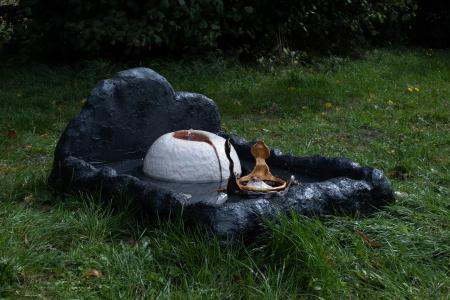
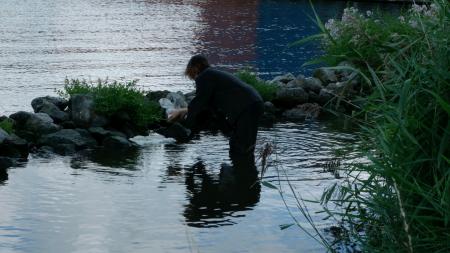
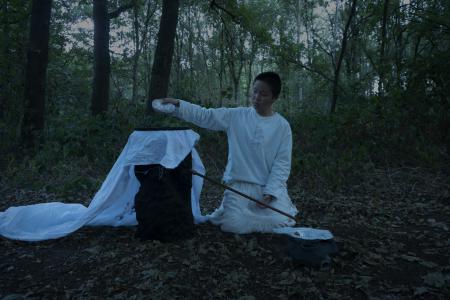
info<Nomadic Washerwomen> is based on the artistic research about the “openbare wasplaats” as well as its derived folklore and Dutch soap industry. Through video and site-specific installations, this project tries to re-create the narrative of night washerwomen legend under post-COVID context, so as to correct the discrimation and stigmatization to washerwomen and Asian female. Through a supernatural being with divine powers intervening in the life-and-death transformation process of mundane life, this project attempts to think about local ecosystems from a folklore perspective. It explores how the supernatural is intertwined with the local environment through belief narratives and ritual performances so as to participate in reconstructing local ecosystems.
-
 info
info<Nomadic Washerwomen> is based on the artistic research about the “openbare wasplaats” as well as its derived folklore and Dutch soap industry. Through video and site-specific installations, this project tries to re-create the narrative of night washerwomen legend under post-COVID context, so as to correct the discrimation and stigmatization to washerwomen and Asian female. Through a supernatural being with divine powers intervening in the life-and-death transformation process of mundane life, this project attempts to think about local ecosystems from a folklore perspective. It explores how the supernatural is intertwined with the local environment through belief narratives and ritual performances so as to participate in reconstructing local ecosystems.
-
 info
info<Nomadic Washerwomen> is based on the artistic research about the “openbare wasplaats” as well as its derived folklore and Dutch soap industry. Through video and site-specific installations, this project tries to re-create the narrative of night washerwomen legend under post-COVID context, so as to correct the discrimation and stigmatization to washerwomen and Asian female. Through a supernatural being with divine powers intervening in the life-and-death transformation process of mundane life, this project attempts to think about local ecosystems from a folklore perspective. It explores how the supernatural is intertwined with the local environment through belief narratives and ritual performances so as to participate in reconstructing local ecosystems.
-
 info
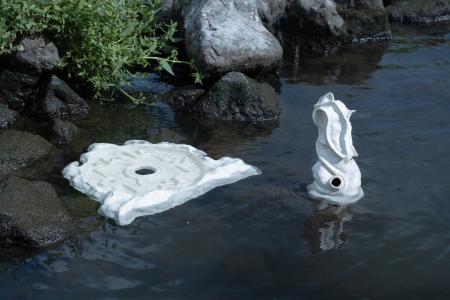
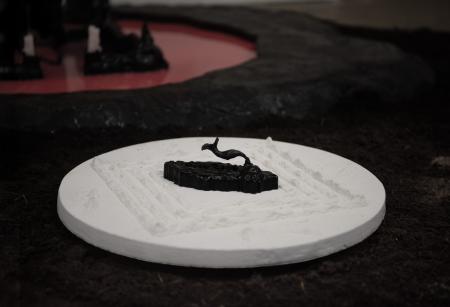
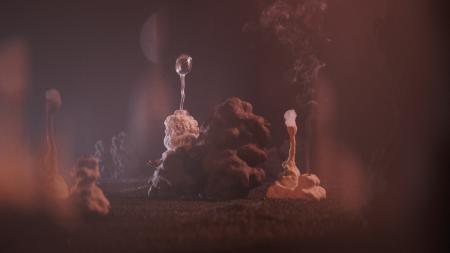
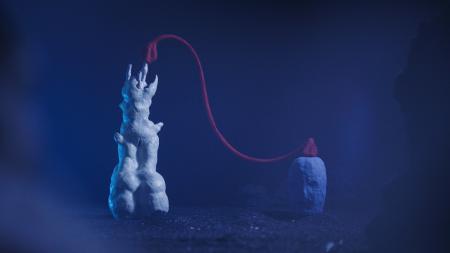
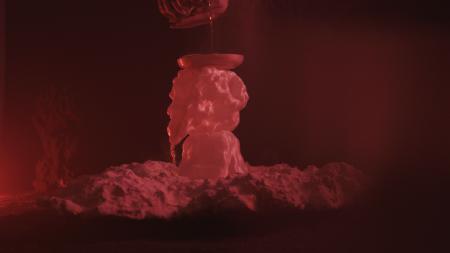
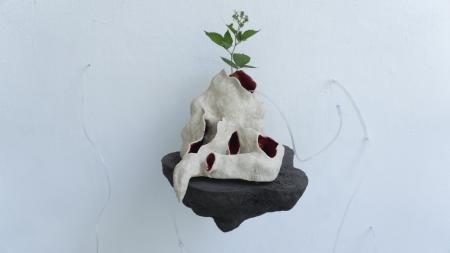
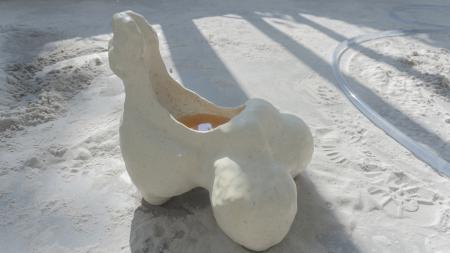
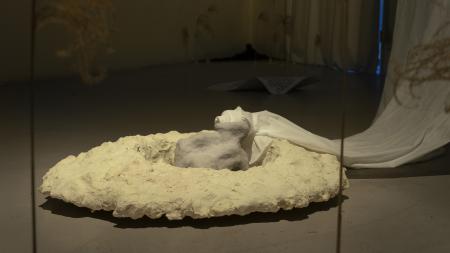
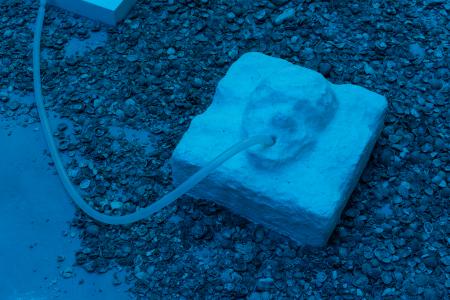
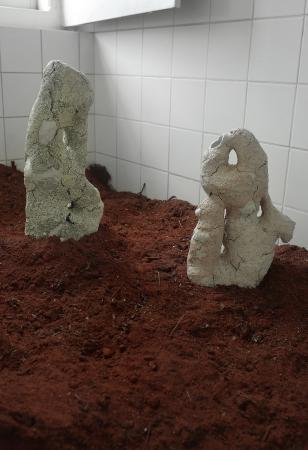
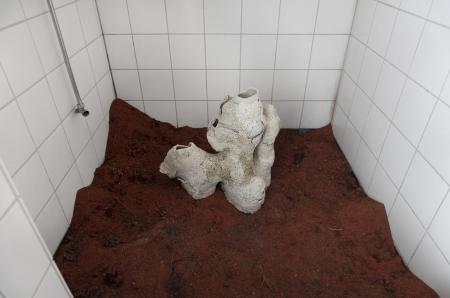
info<Respiration> is a speculative scenario situated in the context of the climate crisis and respiratory epidemic. This work is composed of exhaling devices, lime plaster objects, and fiction. Based on the research of Dutch shell lime industry and lime-related culture, <Respiration> tries to integrate western material science(shell lime industry) with eastern occult science(soul transmigration belief), to speculate a future planetary atmosphere and a new species whose life system could adapt to such atmosphere. <Respiration> takes the human body as a medium and the planet’s atmosphere as a trigger to construct a post-Anthropocentric ecosystem.
-
 info
info<Respiration> is a speculative scenario situated in the context of the climate crisis and respiratory epidemic. This work is composed of exhaling devices, lime plaster objects, and fiction. Based on the research of Dutch shell lime industry and lime-related culture, <Respiration> tries to integrate western material science(shell lime industry) with eastern occult science(soul transmigration belief), to speculate a future planetary atmosphere and a new species whose life system could adapt to such atmosphere. <Respiration> takes the human body as a medium and the planet’s atmosphere as a trigger to construct a post-Anthropocentric ecosystem.
-
 info
info<Respiration> is a speculative scenario situated in the context of the climate crisis and respiratory epidemic. This work is composed of exhaling devices, lime plaster objects, and fiction. Based on the research of Dutch shell lime industry and lime-related culture, <Respiration> tries to integrate western material science(shell lime industry) with eastern occult science(soul transmigration belief), to speculate a future planetary atmosphere and a new species whose life system could adapt to such atmosphere. <Respiration> takes the human body as a medium and the planet’s atmosphere as a trigger to construct a post-Anthropocentric ecosystem.
-
 info
info -
 info
info -
 info
info
Websites
Social media
Curriculum vitae
Opleidingen
-
2019 - 2021Studio for immediate spaces Amsterdam, Sandberg Instituut Diploma behaald
-
2018 - 2019jewellery -- linking-bodies Amsterdam, Gerrit Rietveld Academie
tentoonstellingen
-
2026Ontogenesis in the Liminal Heat of Remains ACEC(Apeldoorns Centrum voor Eigentijdse Cultuur) Apeldoorns, Nederland Solo
-
2025Larnaca Biennale - Along Lines and Traces Larnaca Biennale Larnaca, Cyprus biennalelarnaca.com/ Groep
-
2025
-
2025Secret Spaces, Borders Art Fair 2025 Palazzo Albrizzi-Capello Venice, Italië www.itsliquid.com/call-secret-spaces-venice-2025.html Groep
-
2025
-
2025
-
2025Hortus of Heterodox Phantasmata Garnalenkerk Amsterdam, Nederland Solo
-
2025
-
2025AIR in Zuidoost #2025 CBK Zuidoost Amsterdam, Nederland www.cbkzuidoost.nl/tentoonstellingen/nu-en-verwacht/air-in-zuidoost-2025/ Groep
-
2024
-
2024Unimaginable: Clarion Caals From Rising Seas Bradwolff Projects Amsterdam, Nederland www.climateimaginariesatsea.org/festival-program-2024-2/ Groep
-
2024
-
2023
-
2023Springboard Art Fair Werkspoorkathedraal Utrecht, Nederland springboardartfair.nl/artist/jun-zhang/ Groep
-
2023
-
2023Covted III Kaiser Gallery Cleveland, Verenigde Staten www.kaisergallery.com/past-exhibitions.html Groep
-
2023
-
2023Apprentice / Master exhibition Kunst Podium T Tilburg, Nederland kunstpodium-t.com/projects/apprentice-master Groep
-
2023DNA kunstexpeditie 2023 Streekmuseum Kalk Oven Dedemsvaart, Nederland kunstexpeditie-dedemsvaart.nl/archief/ Groep
-
2022Calm before the Storm: A Shelter in the Anthropocene Radius Delft, Nederland www.radius-cca.org/en/exhibitions/underland-chapter-4-calm-before-the-storm Groep
-
2022
-
2022ARE residency show XPO Enschede, Nederland edwindertien.nl/xpo/uncategorized/jun-zhang-witte-goud/ Groep
-
2022Ambition West Bund Dome Shanghai, China Groep
-
2022
projecten
-
2025
Vita Nova Doolhoven Nederland
stems from an in-depth study of doolhoven, a unique cultural heritage site from the 17th-century Dutch Republic. Combining archival and in-situ research, Vita Nova Doolhoven seeks to explore and revive the spatial structure and sociohistorical context of doolhoven, thereby uncovering its forgotten cosmologies and social functions. By integrating diverse cultural perspectives on life and nature, Vita Nova Doolhoven aims to reconstruct a ritualistic space that shares diverse cosmologies. The project not only studies historical issues such as religious oppression, urban expansion, and immigration policies in 17th-century Amsterdam, but also explores a series of social and ecological issues caused by the dualism of nature and culture. This project commits to reimagining life transmutation and queer futurity through artistic practice, responding to current challenges related to cultural identity, immigration, and ecological issues while fostering transcultural understanding and community engagement. -
2024
Blubber Town Nederland jun-zhang.com/Blubber-Town
is an ongoing project, that delves into the history of Dutch whaling between the 17th and 20th centuries. It traces the centuries-long natural colonization of the Arctic region by Dutch whalers. But long before whaling grew into a bloody commercial industry by colonial powers, whales were seen as magical creatures. Worldwide, countless legends and folk tales exist, in which magic powers were attributed to the bones and whale oil. These pluralistic knowledge systems have been increasingly marginalized amidst the global expansion of colonialism. By intertwining the documented history of whaling with marginalized knowledge systems related to whales, this project seeks to reimagine the narrative of Blubber Town from the perspectives of decolonizing nature and envisioning ecological futures. It aims to construct speculative scenarios of symbiosis between marine life and posthuman worlds. -
2023
Cavern of Saline Genesis Nederland jun-zhang.com/Cavern-of-Saline-Genesis
researched salt extraction in the Overijssel area. This project explores decolonizing the body through investigation of local beliefs and folk medicine knowledge related to salt and fertility, as well as new technology of using salt caverns for energy storage in the Netherlands. Many countries in Asia and Europe, particularly in East Asia, are currently facing an unprecedented population crisis. Such a crisis often leads to human rights violations against women and sexual minority groups. Whereas the research of salt offers an alternative solution for such a crisis. -
2022
Nomadic Washerwomen Nederland jun-zhang.com/nomadic-washerwomen
is based on the artistic research about the “openbare wasplaats” as well as its derived folklore and Dutch soap industry. Through video and site-specific installations, this project tries to re-create the narrative of night washerwomen legend under post-COVID context, so as to correct the discrimation and stigmatization to washerwomen and Asian female. Through a supernatural being with divine powers intervening in the life-and-death transformation process of mundane life, this project attempts to think about local ecosystems from a folklore perspective. It explores how the supernatural is intertwined with the local environment through belief narratives and ritual performances so as to participate in reconstructing local ecosystems. -
2021
Respiration jun-zhang.com/respiration
is a speculative scenario situated in the context of the climate crisis and respiratory epidemic. This work is composed of exhaling devices, lime plaster objects, and fiction. Based on the research of Dutch shell lime industry and lime-related culture, tries to integrate western material science(shell lime industry) with eastern occult science(soul transmigration belief), to speculate a future planetary atmosphere and a new species whose life system could adapt to such atmosphere. takes the human body as a medium and the planet’s atmosphere as a trigger to construct a post-Anthropocentric ecosystem.
Internationale uitwisselingen / Artist-in-residencies
-
2026Longyearbyen, Noorwegen OCA/Artica Svalbard Residency upcoming www.articasvalbard.no/future-residents/jun-zhang-and-yindi-chen
-
2025
-
2022
-
2022
Recensies
-
2025tubelight picks art rotterdam 2025 Website Veerle Driessen Nederland www.tubelight.nl/tubelight-picks-art-rotterdam-2025/
-
2025Tique six-questions interviews Website Welmer Keesmaat & Jun Zhang tique.art/interviews/six-questions/jun-zhang/
Prijzen en stipendia
-
2025Kunstenaar Project Mondriaan Fonds, Amsterdam (NL) Nederland
-
2024Project grant Het Cultuurfonds Nederland
-
2022Kunstenaar Start Mondriaan Fonds Amsterdam Nederland
-
2022ontwikkelbijdrage voor Beeldend kunstenaars Amarte Fonds Nederland
-
2022Mijn Eerste Aanvraag grant AFK, Amsterdam Nederland